Day in the Life: How a patient navigator balances the needs of the Latinx community with her own
Patient navigators, community health workers, case workers – all essential and valuable jobs within the cancer care space. But what does a typical day look like for them?
We sat down with Ana Melendez, CPPN, a patient navigator, mother, and community advocate, to learn more.
Q: Can you give us a description of your role(s)?
As the Lead in the Community Health & Supportive Services department at El Centro [de Servicios Sociales, Inc.] I provide a wide range of services to community members who are facing barriers to care and resources. These barriers are often due to financial trouble or language differences. Through advocacy and support, my job is to help make sure that they can meet their essential health, social and emotional needs.
I also work as a cancer navigator through Case Comprehensive Cancer Center (Case), where I focus on patient navigation for individuals who have cancer or are being tested for it. I receive referrals from local Community Health Clinics and through walk-ins at El Centro. Navigating care for cancer patients can be really complicated, so I help guide patients through the complex healthcare system by connecting them with a care team and local resources.
My work combines advocacy, patient support and culturally-responsive service to help individuals and families in Lorain County, Ohio overcome obstacles, access critical care and achieve better health outcomes.
Q: How did you get into this line of work?
I was drawn to this job because of my personal connection to El Centro and the impact it had on my family growing up. I grew up on the same block as El Centro, so it has always been a part of my life.
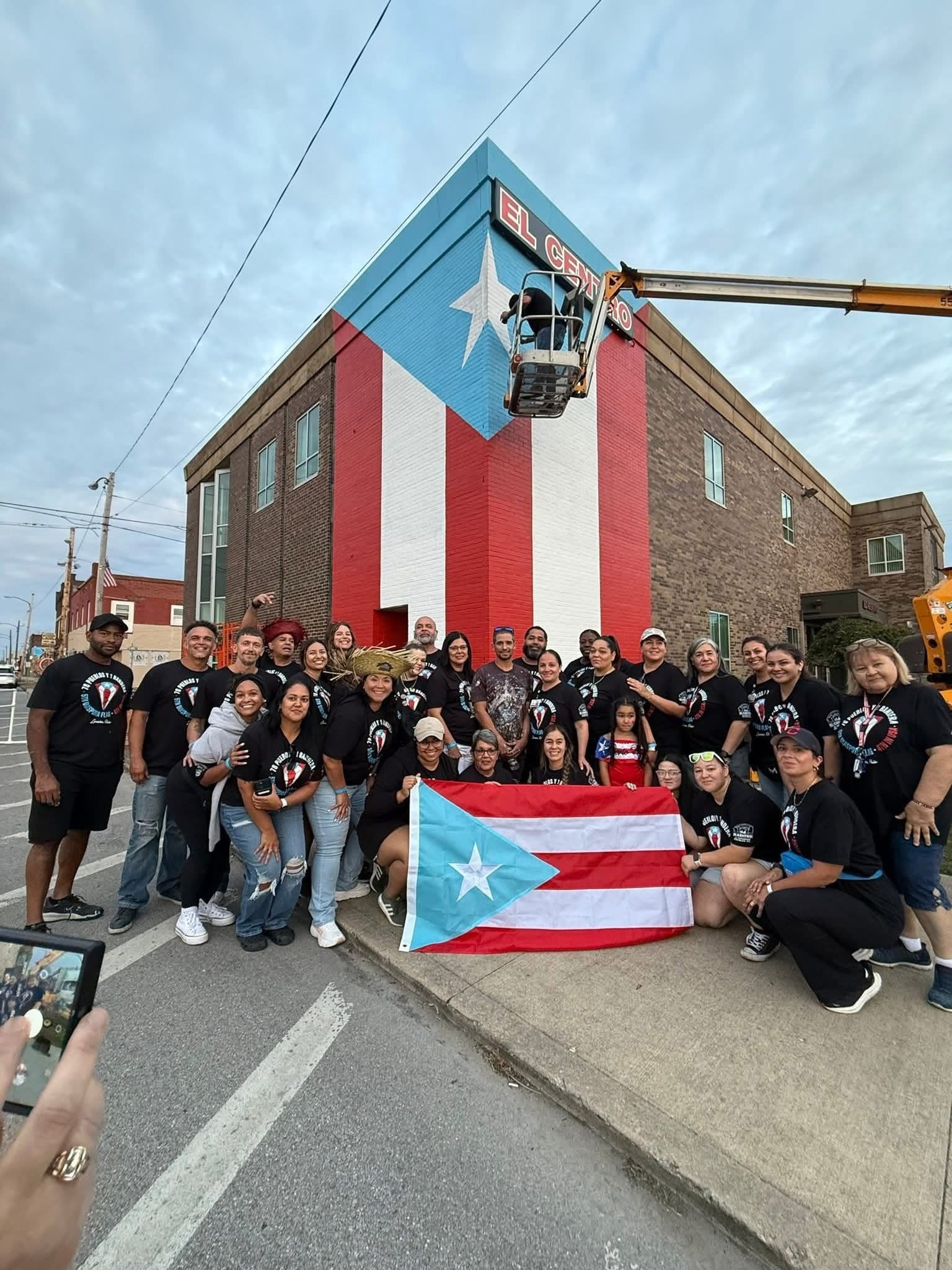 Group Photo at an El Centro Block Party (Ana Melendez)
As a child, I watched my grandmother who did not speak or write in English use the services of the very department I now work in. I remember her always speaking about it with love and gratitude.
During COVID, I made the difficult decision to leave a job I had worked at for over 11 years. I wanted to find a place where I could grow and truly fit in. When a receptionist position became available at El Centro, my aunt encouraged me to apply. It was one of the best decisions I ever made. Since then, I have learned so much working alongside individuals who are leaders in this community. I have found a place where I don’t see my coworkers as just coworkers – they are family.
Q: How does patient navigation improve people’s lives?
Patient navigation breaks down barriers to care and makes the healthcare system feel more accessible and supportive. At El Centro, many Latino patients face language challenges, cultural differences, and even fear when navigating medical care. Having a navigator, especially one who understands the culture and speaks the language, ensures that treatment options are clearly explained, questions are answered, and families feel included in the process.
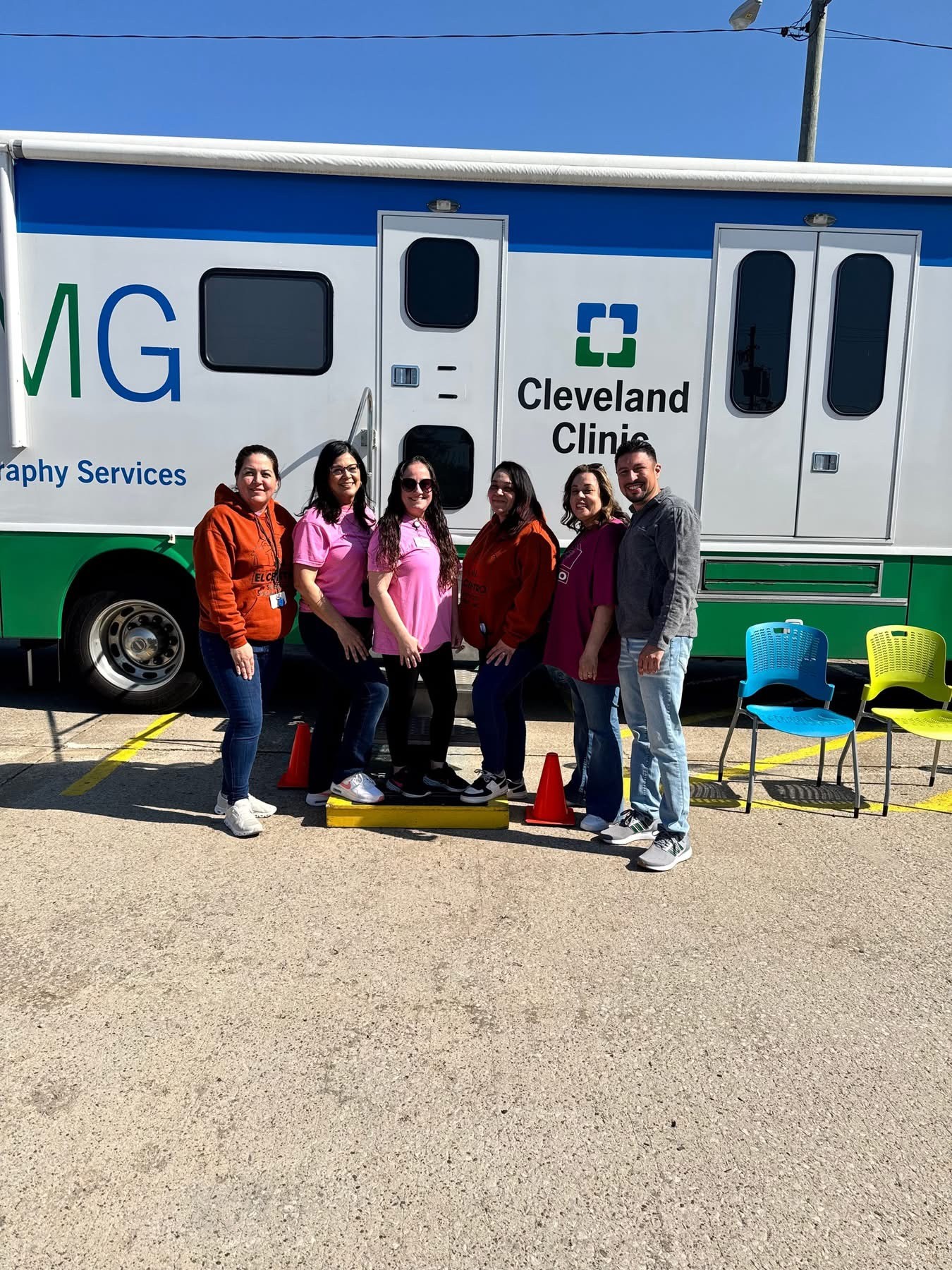 Melendez and Team at the Community Day of Health (Ana Melendez)
This role also builds trust in the healthcare system, which is so important given the disparities Latino communities often face. Navigators connect patients to screenings, treatment, financial resources, and emotional support that they might not otherwise know about or be able to access.
Over 27% of the population in Lorain lives below the poverty line. Which is why, in 2018, we launched a Community Development Department. We created a Financial Literacy and Homebuyer Education Program within the department to help with obstacles like access to affordable housing, lack of insurance and financial instability.
Ultimately, navigation is not just about coordinating appointments, it’s about empowering individuals and families, honoring their values, and ensuring that no one faces cancer or another illness alone.
Q: What is a typical pre-work routine for you?
With three kids, my mornings are busy but meaningful.
My alarm is set for 5:30 a.m. but I always wake up by 4. My first priority is my cup of coffee. I need the energy and the focus. Then I pack a lunch for my youngest and make sure my oldest, who has 22q Deletion Syndrome, takes her medicine. While they’re getting ready, I get myself ready and check my work calendar to see what is scheduled for the day. Depending on my schedule, I’ll have client appointments or community events to attend, but most of the time my day begins at the El Centro office. I drop my youngest off at school by 7:50 and then head to work.
In the car I’m either listening to Spanish music or on the phone with one of my best friends. That balance of music and conversation makes my commute enjoyable and prepares me for the day ahead.
Q: What happens when you get to the office?
As soon as I arrive I check-in with my team. We go over our planned activities and discuss any conflicts or projects we’re working on. Then I check my email and voicemail. From there, the day can unfold in many different ways.
 Melendez and Team at a Connected Community cancer event (Ana Melendez)
In a single morning, I could be teaching a nutrition class to community members, taking someone to an appointment where I provide support and interpretation, helping individuals navigate online portals, assisting with applications for programs such as Medicaid, SNAP, all while responding to incoming calls, walk-ins and referrals.
Q: Being that busy, do you get time for lunch?
We have a designated lunch time and are encouraged to take it, but some days are so busy that we continue working through lunch while eating something quick.
When we do get the time to eat together, we truly enjoy it. The team takes turns cooking for one another like a big family. If we decide to go out, we enjoy visiting some of our favorite local restaurants – comfort food that reminds us of home and of our culture.
On Thursdays, our department provides a wellness socialization day, where we have lunch with the seniors. I love days like that, where we get to connect and strengthen the relationships with our community.
No matter what, we always make time for a cup of café prepared by one of the seniors, with a side of pan con mantequilla.
Q: How do you wind down after work?
After a full day of caring for others, it’s important for me to have a moment of calm. On the drive home, I usually turn the music off and enjoy the quiet space to decompress.
Once home, I make it a priority to be with my family. We eat dinner together whenever possible. In the summer, evenings are all about relaxing and enjoying the season by the pool. In the winter, you’ll find me under a cozy blanket watching Hallmark Christmas movies.
For me, winding down is all about balancing quiet moments with the joy of family time.
Q: What is the most rewarding part of your job?
Knowing that I’m helping people in need. Knowing that the work I do each day actually makes a difference in someone’s life, whether it’s through connecting them to a resource or just being the person to truly listen and support them. Another rewarding part is the relationships I’ve built with clients, families and community partners over the years. Those relationships are rooted in trust, respect and commitment, and they remind me that I am part of something so much bigger than just myself.
Q: You mentioned community relationships – how do you build those?
One of the things El Centro is most well known for is our strong collaborations. These partnerships allow us to expand our impact and provide vital resources to the community.
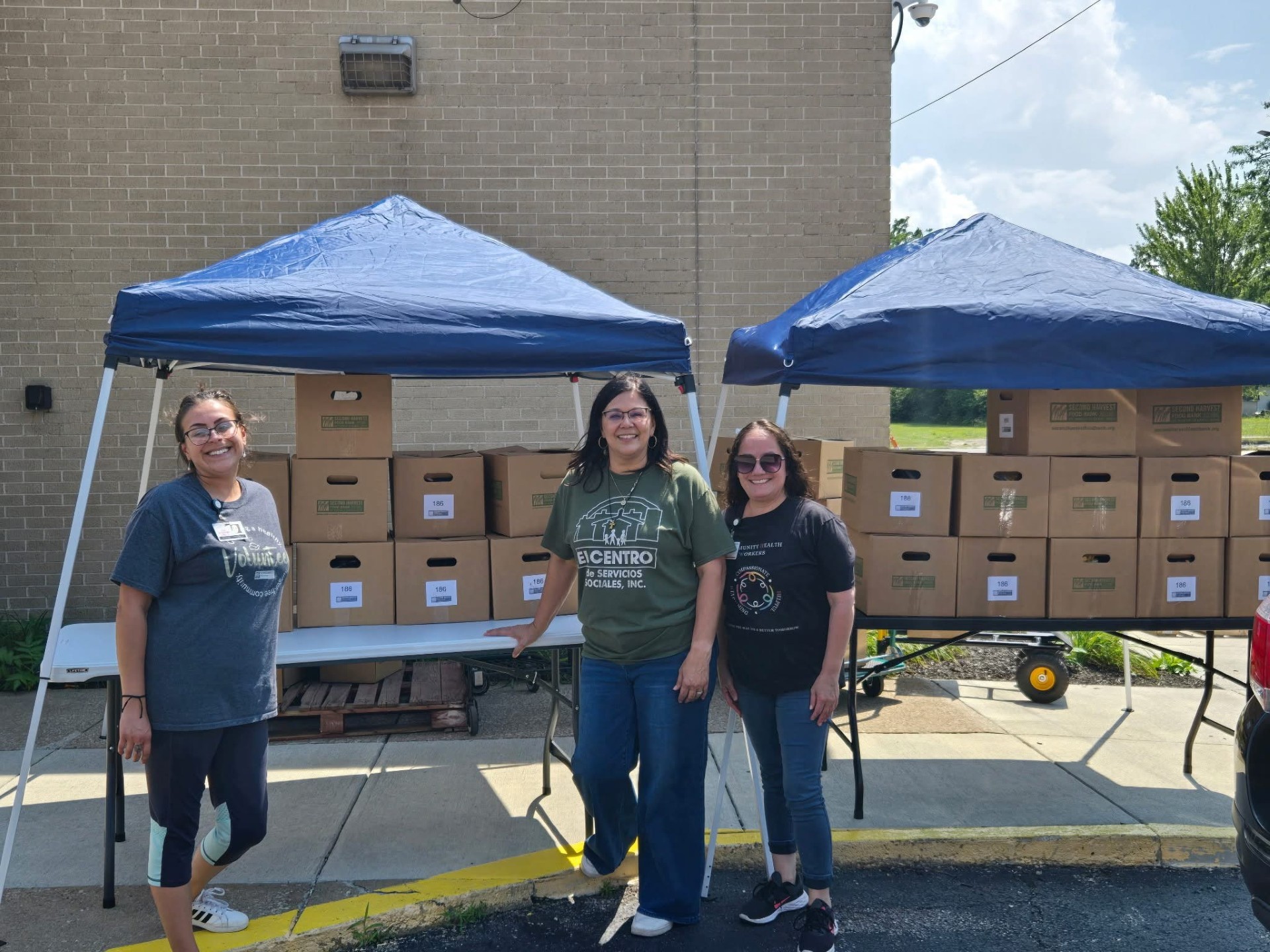 El Centro team at the Second Harvest Food Bank (Ana Melendez)
For example, we work closely with Second Harvest Food Bank to host a community food bank. We also have a network of local hospitals, banks, churches and nonprofit organizations that we connect individuals with to address immediate needs and long-term barriers.
El Centro team at the Second Harvest Food Bank (Ana Melendez)
For example, we work closely with Second Harvest Food Bank to host a community food bank. We also have a network of local hospitals, banks, churches and nonprofit organizations that we connect individuals with to address immediate needs and long-term barriers.
As a cancer navigator for Case, my work is funded through the Alliance for Equity in Cancer Care. I work closely with and collaborate regularly with other navigators. We communicate often to coordinate care, address patient needs, and help remove any barriers the patient may be experiencing.
The healthcare system is intimidating and complex, so partnering with people with shared goals makes our jobs a little easier.
Q: Along the same lines, how do you build trust and rapport with patients?
I treat everyone with respect and compassion, no matter what. I give people the space to share their fears, questions and concerns openly, without judgement. I want them to know that we truly have their best interests at heart. Also I find it’s best to meet patients where they’re at. As a cancer navigator, many of the patients I work with came to El Centro in the past. So there is a sense of familiarity and comfort in knowing they have met us or our coworkers before.
Q: Are there any misconceptions about what you do?
Yes, there are definitely misconceptions about my job, and the reality is often very different.
One misconception is that we only serve the Latino community. While we are proud to uplift and support Latino families, we help anyone who walks through our doors. If we can’t provide the service directly, we make sure to connect them to an agency that can.
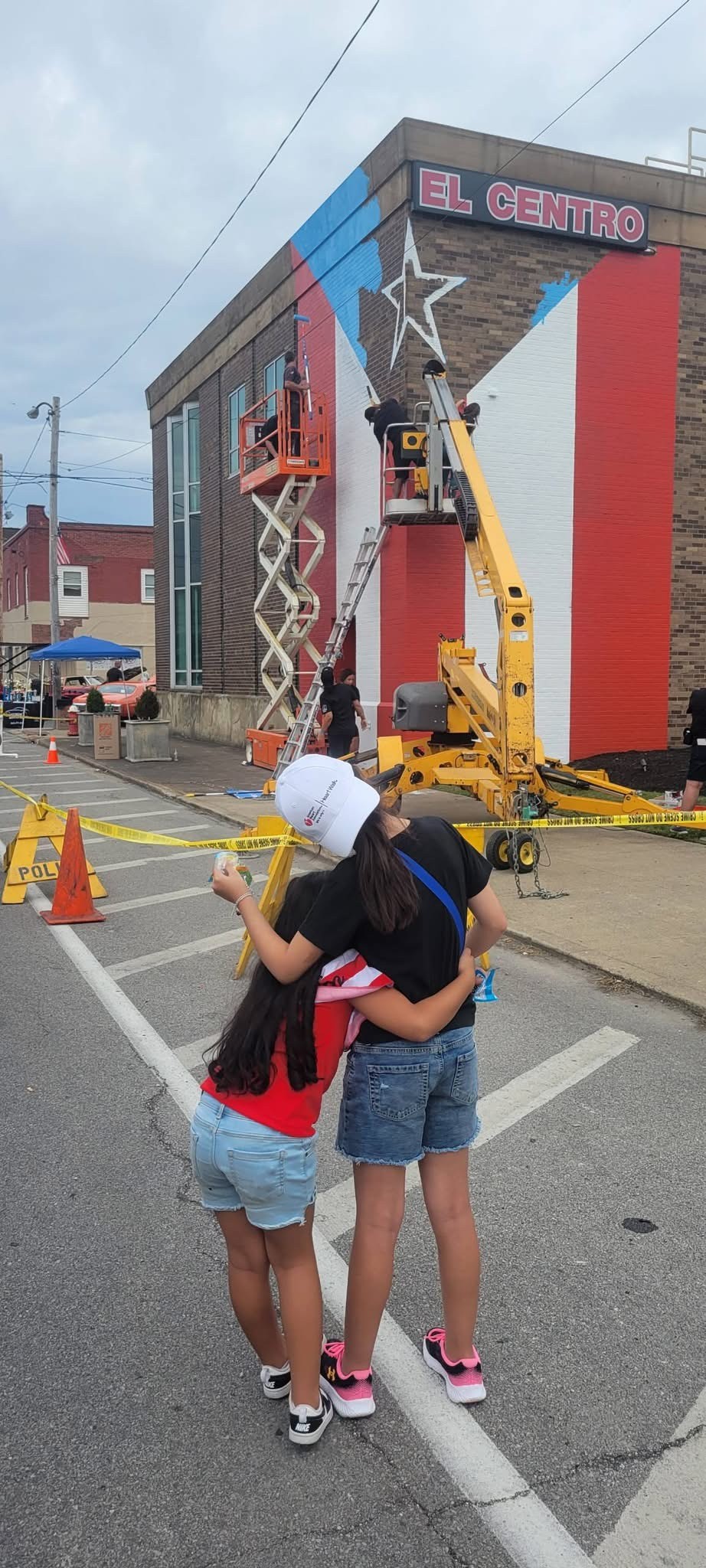 Kids at an El Centro Block Party (Ana Melendez)
Another misconception is that we only serve individuals who are unemployed or living in poverty. The truth is, we serve anyone in need, no matter their situation. Illness, hardship, and life’s challenges don’t discriminate and neither do we.
A third common misconception is that people often assume our agency is much larger than it actually is. In reality, we are a team of around 15 dedicated employees. What makes us look “big” is the scale of our impact, which is only possible because of the many partnerships we’ve built. For example, in 2025 we served over ten thousand individuals, with 95% of them within the low to moderate income levels.
The reality is that our work is grounded in compassion, collaboration, and community—not limits or barriers.
Q: Final question: What keeps you going?
Knowing that I can be the support for others that they may not have.
Unfortunately, I know firsthand how hard the cancer battle is. I lost my dad in 2018 to multiple myeloma and my uncle in 2024 to a glioblastoma tumor and now, my best friend has been diagnosed with HER2 breast cancer. Walking through that pain as a family taught me how heavy the struggle can be, especially when the reality feels overwhelming. These painful experiences with my loved ones have been incredibly difficult, but they have also shaped the way I serve in my role today.
As a cancer navigator, I often meet individuals who don’t have a strong support system. Just knowing that they can count on me, even in their hardest moments, gives me purpose and keeps me moving forward. It hasn’t been easy to step into this role after experiencing such profound personal loss, and there are times I wonder “why”; But I am grateful for the amazing team that reminds me I’m not doing this work alone. That sense of shared strength and compassion helps me continue every day.
About El Centro de Servicios Sociales, Inc.:
El Centro is a Latino non-profit advocacy organization whose mission is to enhance the socio-economic status of the Greater Lorain County, Ohio community by providing essential social, educational, cultural and community development services.
El Centro serves all residents with a commitment to quality bilingual/bicultural services. To learn more about El Centro de Servicios Sociales, Inc., visit their website.