From day one: Reclaiming the journey of cancer survivorship
Hearing the words “you are cancer free” and getting to ring the celebration bell is a monumental moment in any patient’s life. It is a time full of emotions, from tears of joy to a sigh of relief. The long days of travelling to appointments and foregoing mentally and physically difficult treatments are done, but that does not mean the journey is over. It marks the transition into a new, often complicated chapter of survivorship.
Today, cancer survivorship doesn’t just describe the individuals who have successfully reached remission. The National Cancer Institute now defines any patient as a survivor from the exact moment of diagnosis. With more than 18M survivors living in the U.S., we acknowledge the silent struggles that patients, families and caregivers alike endure throughout the cancer journey.
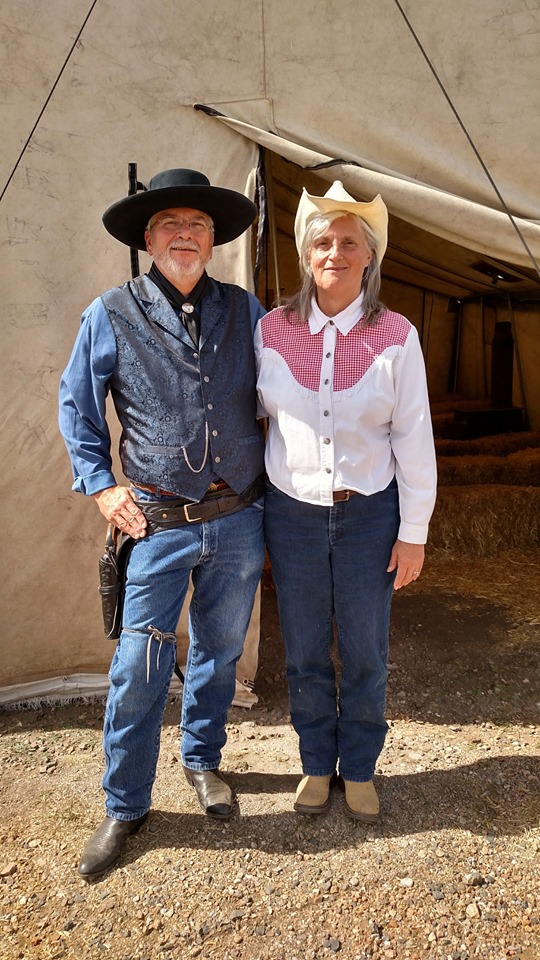 Tom Luksha with his wife, Sheri (Photo by ASCO)
At the Alliance for Equity in Cancer Care, our 8 grantees are working to ensure the number of survivors continues to rise by dismantling major social determinants of health (SDOH) such as geographic isolation, financial toxicity and systemic healthcare complexity.
Tom Luksha with his wife, Sheri (Photo by ASCO)
At the Alliance for Equity in Cancer Care, our 8 grantees are working to ensure the number of survivors continues to rise by dismantling major social determinants of health (SDOH) such as geographic isolation, financial toxicity and systemic healthcare complexity.
For rural patients like Maria Koslosky–a chief quality and compliance officer and mother of three in Dillon, Montana–life-saving care required multi-hour commutes. When she was diagnosed with lung cancer in 2022, Maria initially faced five-hour drives to Salt Lake City. Similarly, pastor Tom Luksha endured an exhausting 200-mile round trip for specialized care when he experienced a cancer recurrence in 2025, while simultaneously needing major heart surgery.
Thankfully, a local infusion center opened in Dillon, which allowed both Maria and Tom to shift their energy away from their long commutes and back to their families and passions, such as their ministry and their work. Today, patients from multiple cancer centers, including Bozeman Health Cancer Center, Montana Cancer Center, St. James Cancer Care, Teton Cancer Institute, and Huntsman Cancer Institute benefit from the new facility.
When Christopher Hitchens, Sr. received a shocking Stage 4 colorectal cancer diagnosis, he had to navigate an overwhelming new world of oncology jargon while trying to maintain his livelihood as a general contractor. When he was paired with a dedicated patient navigator and nutritionist at Mary Bird Perkins Cancer Center, Christopher says he was treated “as a neighbor, not a chart number.” He was able to create a detailed diet plan with the nutritionist to combat severe side effects, and truly felt supported by his care team.
The Toll of a Diagnosis
For patients like Christopher, who are completely asymptomatic, a diagnosis can affect them emotionally and mentally, not just physically. When Maria was diagnosed, she was struggling with a persistent post-COVID cough. Her diagnosis hit her active life like a “brick wall.”
 Christopher Hitchens, Sr. (Photo by Mary Bird Perkins Cancer Center)
Throughout treatment, all 3 survivors grappled with various side effects. For Tom, this meant his motor skills were impacted, and he resorted to using children’s coloring books to continue working his hands. In a turn of events, this formed unexpected bonds between him and his neighboring patients.
Despite severe reactions like respiratory failure from treatment-induced pneumonitis, Maria remained forward-looking. She was determined to be a professional who just “happened to be receiving treatment.”
 Maria Koslosky (Photo by ASCO)
The financial burden of being out of work and struggling with a loss of income can also compound the physical side effects of cancer treatment. Financial toxicity–the financial side effects of cancer treatment–is a major issue for survivors, especially those with long commutes. With appointment copays, insurance claims, and out-of-pocket medication costs, survivors and their families often struggle to pay for the care the patient needs the most. The Association of Oncology Social Workers found that 66% of patients with financial challenges suffer from depression or anxiety.
Maria Koslosky (Photo by ASCO)
The financial burden of being out of work and struggling with a loss of income can also compound the physical side effects of cancer treatment. Financial toxicity–the financial side effects of cancer treatment–is a major issue for survivors, especially those with long commutes. With appointment copays, insurance claims, and out-of-pocket medication costs, survivors and their families often struggle to pay for the care the patient needs the most. The Association of Oncology Social Workers found that 66% of patients with financial challenges suffer from depression or anxiety.
Different Paths, One Bond
The path to becoming cancer-free is different for every patient. The survivors mentioned here come from different backgrounds–one is a Southern contractor navigating a sudden Stage 4 diagnosis. One is a rural pastor managing a fragile heart alongside a cancer recurrence. And one is an athletic mother training for her next triathlon after surviving respiratory failure.
Their treatment plans, side effects, financial burdens and personal coping skills were all vastly different. But they share one common denominator: they didn’t let their diagnosis define them.
By recognizing survivorship from the moment of diagnosis, we honor the immense courage it takes to face cancer. By fighting SDOH from day one, we don’t just help patients survive, we ensure they have the support to thrive.